
The Ultimate Guide to Concrete Floor Maintenance: Why It Matters for Your Facility’s Lifespan
January 31, 2026
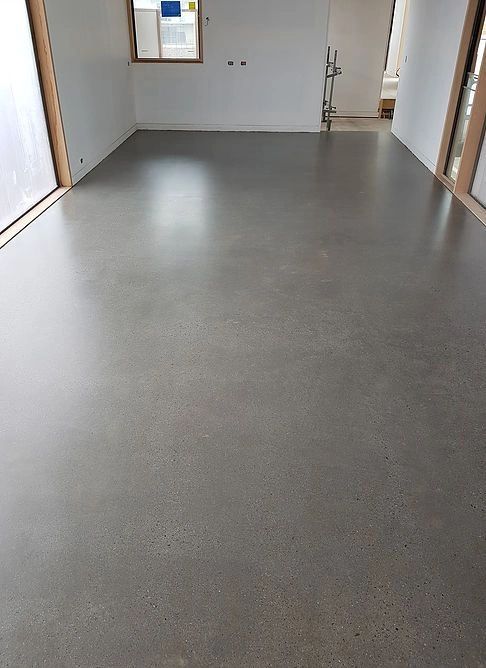
Concrete floors are among the most durable and cost-effective flooring solutions for commercial and industrial facilities. Their strength, longevity, and versatility make them an attractive choice for warehouses, manufacturing plants, retail spaces, and even office environments. However, despite their reputation for toughness, concrete floors are not maintenance-free. Over time, heavy foot traffic, machinery movement, chemical exposure, and environmental factors can degrade the surface, leading to cracks, stains, and structural weaknesses. Even minor neglect can escalate into significant damage that compromises both safety and aesthetics. Facility managers must recognize that proactive care is not optional but essential to preserve both the functionality and the visual appeal of their concrete floors. A well-maintained floor not only supports daily operations but also reflects a commitment to professionalism and operational excellence.
Proper
concrete floor maintenance is not just about appearance; it has significant implications for facility safety, operational efficiency, and long-term financial planning. Poorly maintained floors can result in costly repairs, operational downtime, and even safety hazards such as slips or trips. In addition, untreated damage can reduce the lifespan of the flooring system, forcing premature replacement and increased capital expenditure. Conversely, a strategic maintenance plan can extend the lifespan of your floors, reduce repair costs, and ensure a safer, more productive environment. Investing in preventive measures, routine inspections, and expert care fosters durability and resilience, allowing facilities to withstand daily operational stresses without compromising performance. This guide will explore the importance of concrete floor maintenance, practical strategies for care, common challenges, and expert insights into maximizing the durability of your facility’s flooring system.
Understanding Concrete Floor Wear and Tear
The Nature of Concrete Deterioration
Concrete is inherently strong, but it is still susceptible to wear and tear over time. Common factors that contribute to deterioration include physical stress from heavy equipment, frequent foot traffic, exposure to moisture or chemicals, and natural aging processes. Concrete can also develop surface scaling, spalling, or micro-cracks that, if left untreated, may progress into significant structural problems.
Environmental Factors That Accelerate Damage
Facilities located in areas with extreme temperature fluctuations, high humidity, or chemical exposure face accelerated concrete deterioration. Freeze-thaw cycles, for example, can cause the surface to expand and contract, leading to cracking and chipping. Industrial chemicals, oils, and cleaning agents can erode protective sealants, weakening the floor’s structural integrity.
Signs of Concrete Floor Issues
Early identification of floor problems is critical. Facility managers should look for visible cracks, discoloration, uneven surfaces, surface pitting, and water pooling. Even subtle signs of wear can indicate underlying structural issues. Addressing these early reduces the likelihood of costly repairs or operational disruptions later.
Expert Tip: Regular inspections are essential for identifying minor issues before they escalate. A proactive approach to maintenance ensures floors remain safe, visually appealing, and functional.
Routine Cleaning and Maintenance Practices
Daily and Weekly Cleaning
Routine cleaning is the foundation of effective concrete floor maintenance. Dust, dirt, and debris act as abrasives, gradually wearing down the surface. Sweeping with a soft-bristle broom or using industrial dust mops helps prevent surface scratching. For facilities with high-traffic zones, automated floor scrubbers or industrial vacuums are recommended to maintain cleanliness without excessive labor.
Proper Mopping Techniques
Mopping should use neutral-pH cleaning solutions to avoid degrading the concrete or its sealant. Avoid acidic cleaners, as they can erode the surface and cause discoloration. For heavily soiled areas, diluted degreasers or specialized concrete cleaning agents may be necessary.
Removing Stains and Spills
Oil, grease, and chemical spills are common in industrial settings and can cause permanent staining if not addressed promptly. Absorbent materials such as cat litter, sawdust, or commercial absorbents should be used to remove liquid residues. After absorption, scrubbing with a gentle cleaning solution helps prevent long-term damage.
Benefits of Consistent Cleaning
Maintaining a clean concrete floor reduces abrasive wear, enhances safety, and preserves the floor’s appearance. It also ensures that sealants and coatings remain effective, extending the overall lifespan of the flooring system.
Sealants, Coatings, and Protective Treatments
Types of Coatings
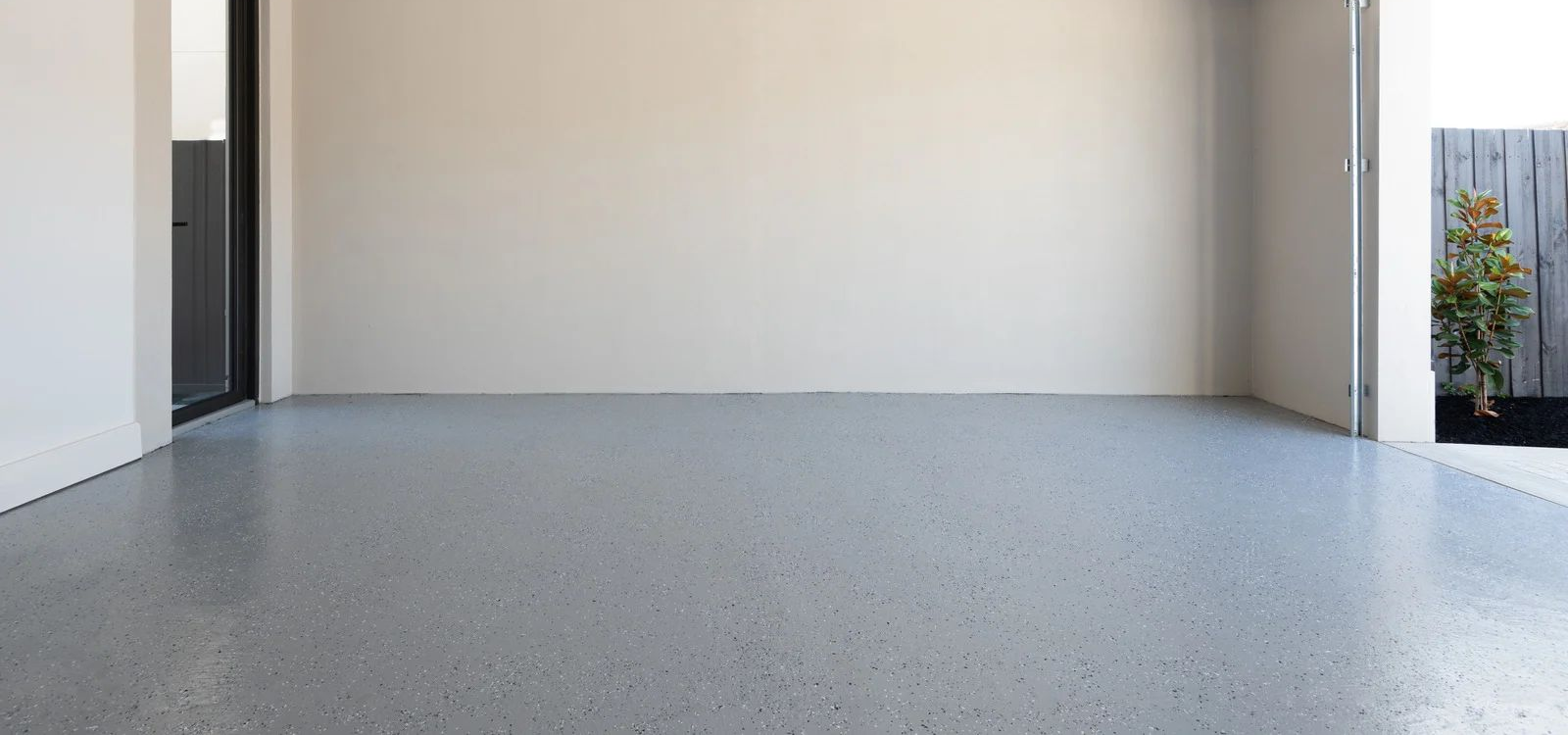
In addition to sealants, floor coatings provide additional protection and functional benefits. Epoxy coatings, for example, offer superior chemical resistance and a glossy finish that enhances appearance. Polyaspartic coatings cure faster and can withstand heavier loads, making them suitable for warehouse floors.
Protective Treatments for Longevity
Concrete densifiers and hardeners can be applied to increase surface strength, reduce dusting, and improve abrasion resistance. These treatments penetrate the concrete, creating a harder surface that resists wear while maintaining breathability.
Maintenance of Sealants and Coatings
Protective layers require periodic reapplication to maintain effectiveness. Facility managers should follow manufacturer guidelines for re-coating intervals and inspect surfaces regularly for signs of wear or peeling.
Expert Tip: Investing in high-quality sealants and coatings during initial installation or renovation can reduce long-term maintenance costs and prevent premature floor degradation.
Repairing and Addressing Damage
Identifying Repair Needs
Despite preventive measures, some floors inevitably develop cracks, chips, or surface spalling. Timely repairs are essential to prevent these minor issues from compromising structural integrity. Small cracks can expand under stress, leading to uneven surfaces or tripping hazards.
Types of Concrete Repairs
- Crack Injection: For hairline cracks, epoxy or polyurethane injections restore structural stability.
- Patching: Surface spalling or chips can be patched with repair mortars designed to bond seamlessly with existing concrete.
- Overlay Systems: In cases of widespread wear, concrete overlays provide a durable, aesthetically pleasing solution while reinforcing structural integrity.
Best Practices for Repairs
Repair work should be carried out under controlled conditions, considering temperature, moisture levels, and curing times. Improper repair methods may result in further damage or reduced floor lifespan. Using professional-grade materials and techniques ensures that repairs last and maintain safety standards.
Real-World Scenario
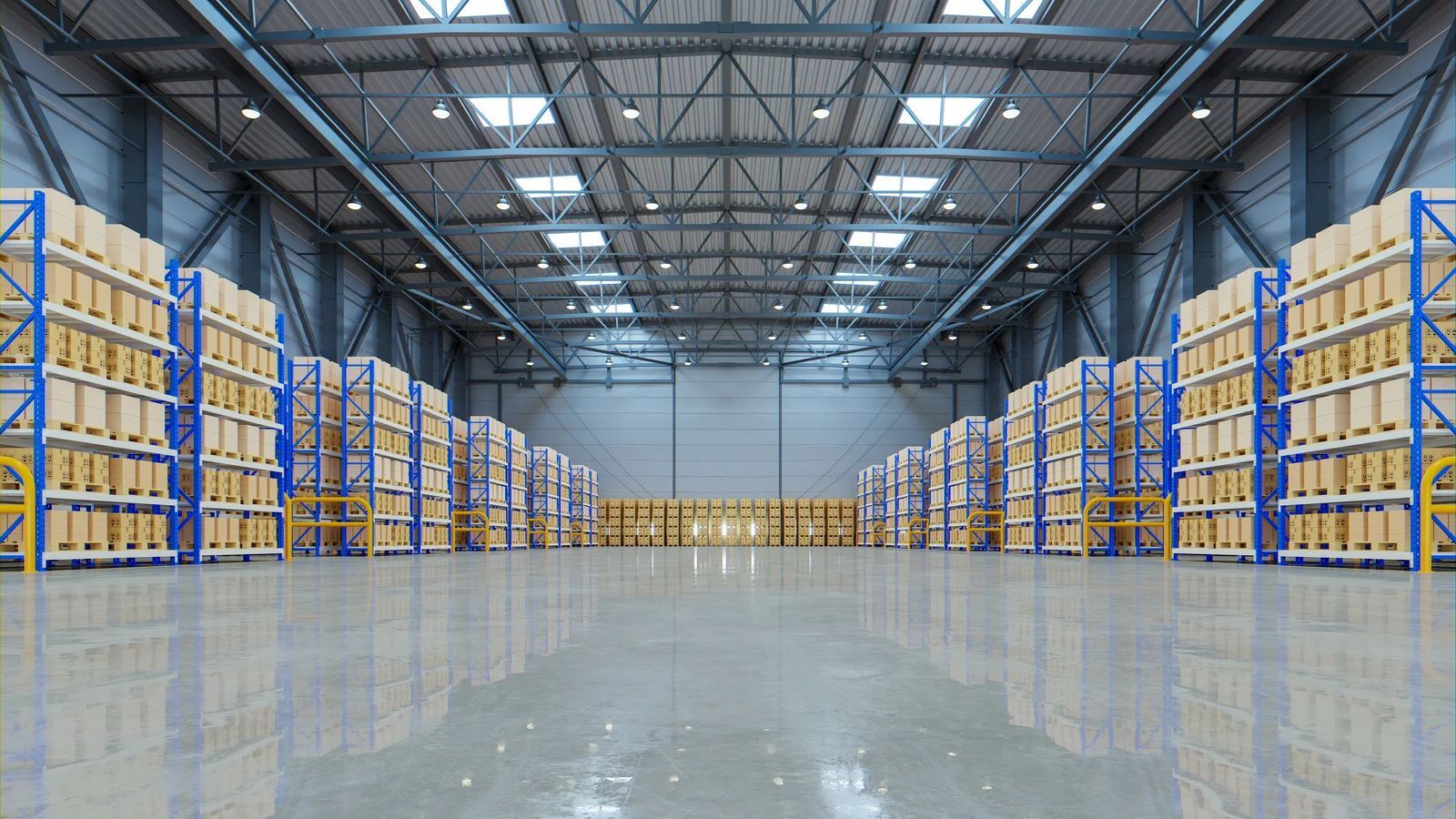
In high-traffic warehouses, floors that were not regularly inspected or repaired experienced accelerated deterioration, leading to operational delays. Proactive repair planning and regular maintenance not only minimized downtime but also reduced the total cost of ownership over several years.
Preventive Measures and Facility Management Strategies
Traffic Management
Heavy machinery, pallet jacks, and forklifts contribute significantly to floor wear. Implementing traffic management strategies, such as designated lanes and protective mats in high-impact zones, reduces surface damage and minimizes the risk of accidents.
Environmental Controls
Temperature and humidity regulation in facilities can prevent moisture-related issues like scaling and spalling. Adequate drainage systems also prevent standing water, which accelerates surface deterioration.
Scheduled Inspections and Maintenance Plans
Developing a comprehensive maintenance schedule ensures that floors are cleaned, sealed, and repaired on a regular basis. Scheduled inspections help identify vulnerabilities early, allowing managers to address minor issues before they escalate.
Staff Training and Awareness
Employees play a vital role in preserving concrete floor longevity. Training staff on proper cleaning methods, spill response protocols, and equipment usage can prevent accidental damage and extend the life of flooring surfaces.
Expert Tip:
Combining preventive strategies with routine maintenance significantly reduces long-term repair costs and improves facility safety and efficiency.
Maximizing Lifespan Through Expert Consultation
When to Call a Professional
While routine cleaning and minor repairs can often be handled in-house, professional consultation is critical for complex issues, such as structural cracks, large-scale spalling, or chemical damage. Experts can assess the floor’s condition, recommend appropriate repair methods, and implement protective treatments to optimize performance.
Benefits of Expert Involvement
- Accurate Assessment: Professionals identify hidden weaknesses that may not be visible to untrained eyes.
- Quality Repairs: Experienced contractors use advanced materials and techniques for long-lasting results.
- Cost Efficiency: Proactive professional maintenance prevents major repairs, reducing unexpected expenses.
- Enhanced Safety: Expert solutions address slip hazards, uneven surfaces, and structural vulnerabilities.
Case Example
Facilities that invested in professional concrete maintenance and repair programs reported fewer operational disruptions, reduced repair costs, and extended floor service life by several years. These outcomes demonstrate the tangible value of integrating professional expertise into routine maintenance strategies.
Expert Tip: Consider periodic professional inspections every 1–3 years, depending on traffic and environmental conditions, to maximize the lifespan of concrete flooring.
Trusted Specialists Preserving Floors With Precision Techniques
Concrete floors are foundational to the functionality, safety, and longevity of commercial and industrial facilities. From daily cleaning and routine inspections to protective treatments and timely repairs, effective maintenance practices ensure that these durable surfaces continue to perform under demanding conditions. Facilities that neglect maintenance risk costly repairs, operational downtime, and safety hazards, while those that implement structured programs can enjoy extended lifespan, enhanced appearance, and improved efficiency.
Elite Concrete Floors, a trusted concrete contractor based in Rochester, Pennsylvania, brings over 21
years of experience in delivering durable, high-quality flooring solutions. Specializing in both installation and maintenance, Elite Concrete Floors
understands the critical role proper care plays in extending the life of concrete surfaces. Their team of skilled professionals provides expert inspections, repair, sealing, and coating services tailored to the specific needs of each facility. By combining decades of hands-on experience with the latest industry techniques and materials, Elite Concrete Floors
ensures floors remain safe, functional, and visually appealing for years to come. Whether addressing minor cracks, performing comprehensive protective treatments, or developing long-term maintenance strategies, Elite Concrete Floors
stands as a reliable partner in preserving the value and performance of your facility’s concrete floors. Choosing a proven, local contractor like Elite Concrete Floors
provides peace of mind, operational efficiency, and long-lasting results for any commercial or industrial space.
Share this article