
5 Signs Your Concrete Floors Need Professional Maintenance (And What to Do Next)
February 25, 2026
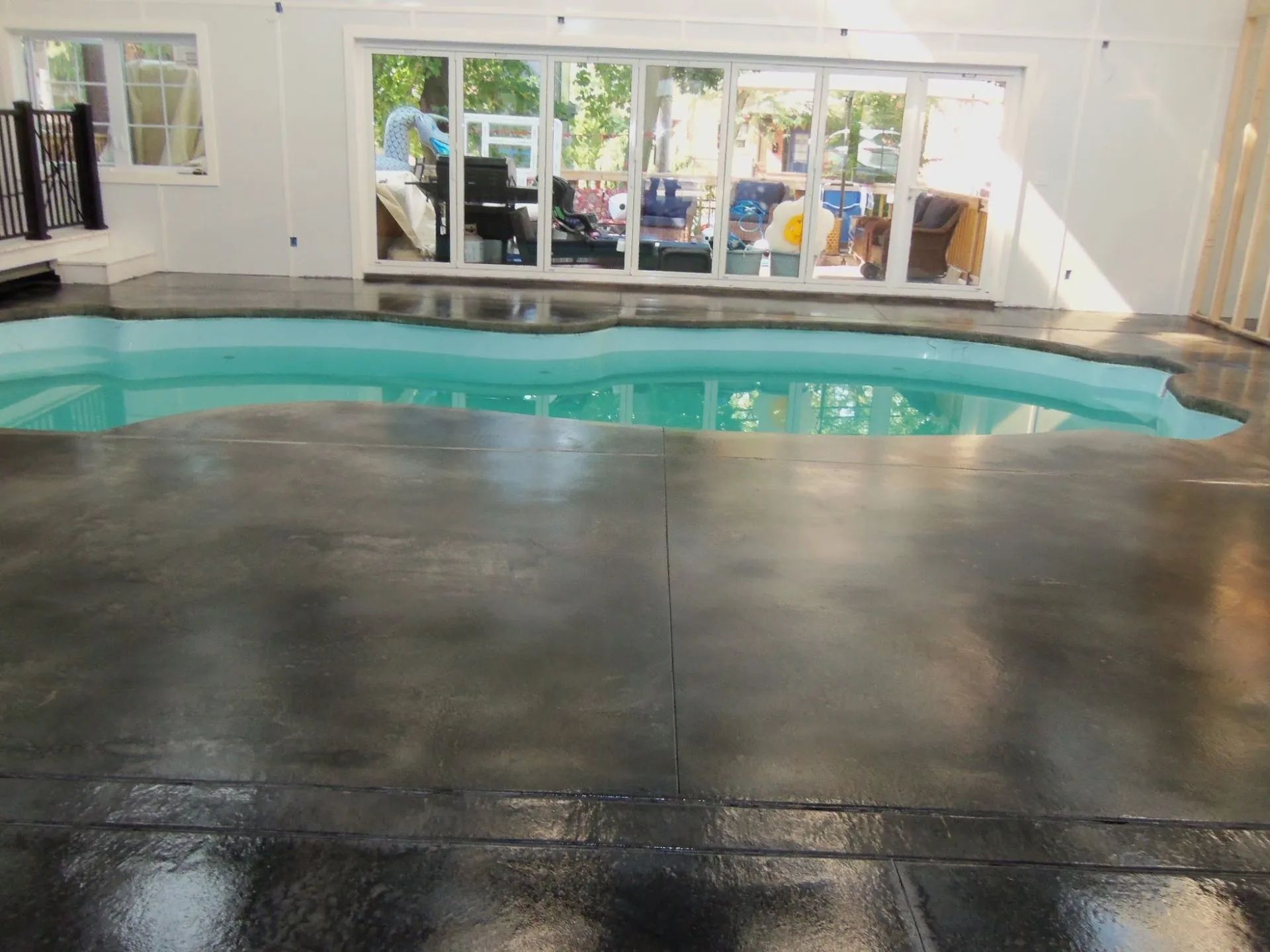
Concrete floors are a cornerstone of durability and functionality in both commercial and residential spaces. While they are renowned for their strength and long lifespan, concrete is not impervious to wear, environmental stress, or everyday use. Over time, even the most robust concrete surfaces can develop issues that compromise both aesthetics and structural integrity. Recognizing these early warning signs is critical to preventing costly repairs or complete floor replacement. Whether your concrete serves as a high-traffic industrial floor, a stylish polished surface in a showroom, or a residential garage, understanding when professional maintenance is necessary ensures longevity, safety, and a visually appealing finish.
Neglecting
concrete maintenance can lead to a cascade of problems, from unsightly cracks to moisture infiltration, each carrying potential risks to both property and occupants. Proactive care not only preserves the floor’s appearance but also enhances durability, reduces long-term repair costs, and maintains a safe environment. This guide explores five key indicators that your concrete floors may need expert attention and offers actionable next steps for each scenario. By learning to identify these warning signs early, property owners, facility managers, and homeowners alike can make informed decisions, protect their investments, and maintain the full potential of their concrete surfaces.
1. Visible Cracks and Surface Damage
Hairline Cracks vs. Structural Cracks
Cracks in concrete floors are one of the most common indicators of underlying issues. While hairline cracks often result from natural shrinkage during curing, deeper, wider cracks may signal structural problems or shifting substrates. Observing the size, depth, and pattern of cracks is essential. Cracks that are wider than 1/8 inch, or those that appear to propagate over time, warrant professional assessment to prevent further deterioration or potential safety hazards.
Causes and Risk Factors
Concrete cracks may develop due to temperature fluctuations, heavy foot or machinery traffic, water infiltration, or poor installation practices. Environmental factors, such as freeze-thaw cycles or soil movement, can exacerbate these issues. Commercial settings with forklifts, pallet jacks, or other heavy equipment are particularly susceptible to stress-related damage. Left unchecked, cracks can allow moisture to penetrate the concrete, accelerating wear and promoting the growth of mold or mildew.
Recommended Action Steps
A professional concrete contractor can evaluate the severity of cracks and recommend appropriate interventions. Options include epoxy injections for minor cracks, polyurethane sealants for moisture protection, or full slab repair for extensive structural issues. Timely intervention not only restores the floor’s integrity but also prevents more costly repairs in the future. Routine inspections, at least twice a year, help identify cracks early and mitigate long-term damage.
2. Spalling or Flaking Surfaces
Understanding Spalling
Spalling occurs when the surface layer of concrete peels, flakes, or chips away, often exposing coarse aggregate beneath. This issue compromises the floor’s smoothness, reduces durability, and can create trip hazards. Spalling is particularly prevalent in high-traffic areas or floors exposed to deicing salts, water, or repeated mechanical abrasion.
Common Causes
Surface spalling can be caused by poor finishing techniques, excessive moisture during curing, or the application of harsh chemicals. In industrial settings, constant heavy loads and impact can gradually weaken the surface. Even in residential garages or basements, vehicles and equipment may contribute to gradual surface wear.
Prevention and Maintenance
Preventing spalling involves proper sealing, moisture control, and avoiding harsh chemicals or abrasive cleaners. When spalling occurs, a professional concrete contractor can restore the surface using grinding, resurfacing, or overlay techniques. Resurfacing not only repairs damage but can enhance slip resistance and improve floor aesthetics, making it a cost-effective solution compared to complete replacement.
3. Discoloration or Staining
Identifying Problematic Stains
Causes of Discoloration
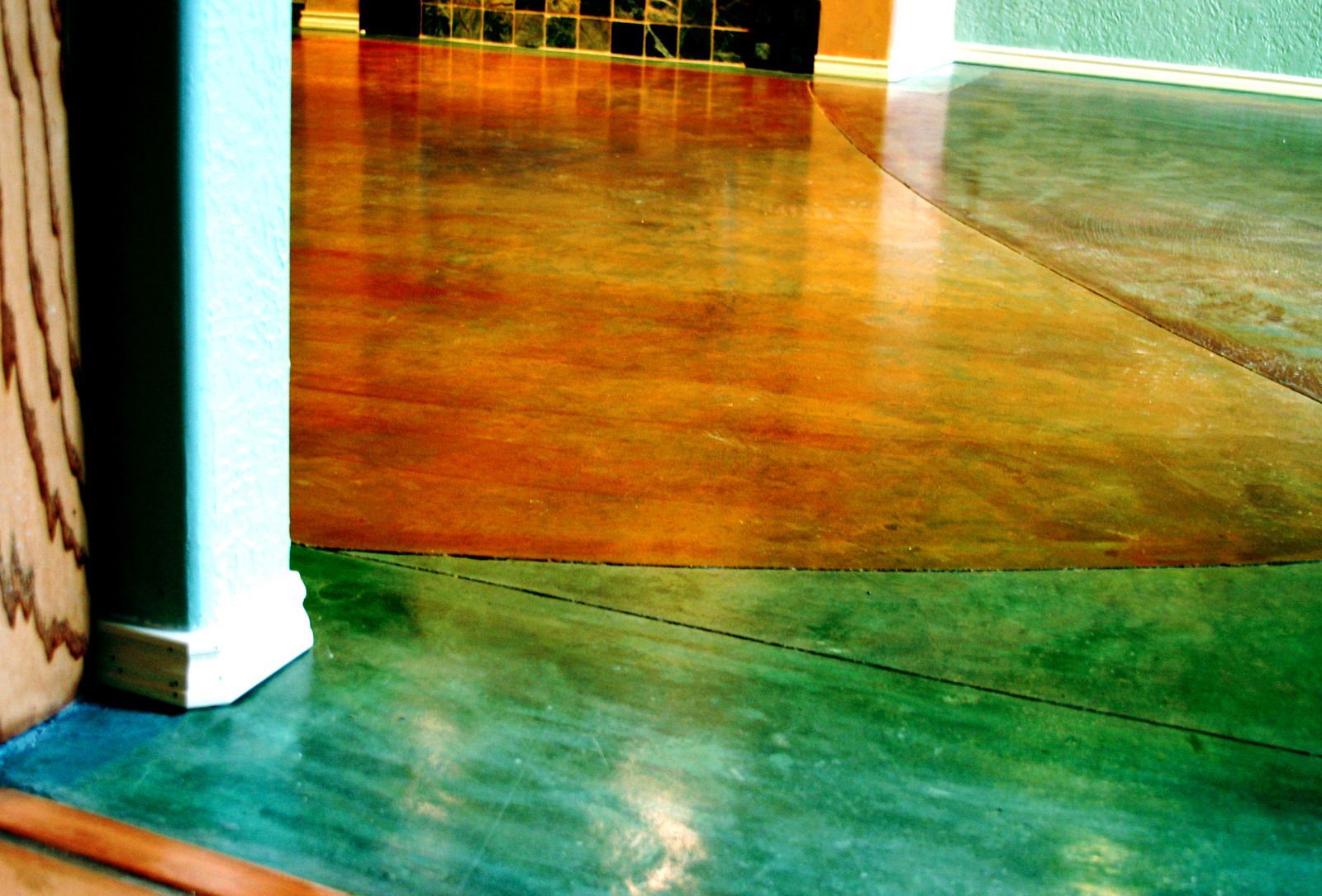
Common causes include oil, grease, and chemical spills in garages or industrial spaces, as well as efflorescence—a white, powdery substance caused by water-soluble salts rising to the surface. UV exposure and improper sealant application can also lead to uneven coloration or fading, particularly in decorative or polished concrete floors.
Recommended Solutions
Professional maintenance typically involves deep cleaning, stain removal, or the application of protective coatings to prevent recurrence. Sealants, epoxy coatings, or penetrating stains can restore uniformity and protect the floor from future damage. Prompt attention ensures the floor maintains its visual appeal, which is especially critical for commercial spaces, showrooms, and high-end residential areas where aesthetics impact overall value.
4. Uneven or Settling Floors
Detecting Uneven Surfaces
Concrete floors that appear sloped, warped, or uneven can indicate settling or substrate movement. These irregularities affect both safety and functionality, particularly in areas with heavy machinery, storage systems, or foot traffic. Even minor unevenness can cause trip hazards or interfere with equipment operation.
Causes and Risk Factors
Uneven floors are often caused by soil settlement, improper compaction during installation, or water-related erosion beneath the slab. In regions with freeze-thaw cycles, moisture can expand and contract, gradually destabilizing the floor. Commercial facilities with repeated heavy loads may also experience differential settling over time.
Professional Evaluation and Repair
Addressing uneven concrete requires a detailed assessment of the floor and its subgrade. Solutions may include slab lifting using polyurethane foam injections, grinding, or full resurfacing for extensive leveling needs. Professional intervention ensures long-term stability, prevents further settlement, and restores a safe, functional surface.
5. Moisture Problems or Efflorescence
Recognizing Moisture-Related Issues
Excess moisture beneath or within a concrete floor can lead to a host of serious problems, from efflorescence to mold growth and structural weakening over time. Common signs include damp spots, a powdery white residue, musty odors, or softening in adjacent flooring materials. Moisture issues are particularly concerning in basements, garages, and industrial spaces where frequent water exposure occurs regularly. Detecting these early helps prevent more extensive damage and costly repairs later.
Causes of Excess Moisture
Moisture intrusion can occur due to high groundwater levels, poor drainage, plumbing leaks, or insufficient vapor barriers installed during construction or renovations. In addition to weakening and damaging the concrete, persistent moisture can accelerate wear, corrode embedded steel reinforcement, and compromise adjacent structures or finishes over time. Environmental factors, including heavy rainfall or flooding, can also exacerbate these problems significantly.
Recommended Actions
Professional contractors can accurately diagnose the source of moisture using specialized equipment such as moisture meters, infrared cameras, or thermal imaging tools. Solutions may include installing vapor barriers, applying advanced moisture mitigation coatings, or repairing drainage systems to prevent ongoing water infiltration. Addressing moisture issues proactively preserves floor durability, enhances overall safety, and prevents secondary damage to surrounding property effectively.
Best Practices for Long-Term Concrete Floor Maintenance
Regular Inspections and Cleaning
Routine inspections help identify early signs of damage, from minor cracks to surface wear that might otherwise go unnoticed. Combined with scheduled cleaning using appropriate, non-abrasive products, inspections significantly extend the floor’s lifespan. Promptly removing debris, oil, or chemical spills prevents staining and surface deterioration, keeping the concrete looking functional and professional for years.
Protective Treatments and Sealants
Applying high-quality sealants or protective coatings provides a strong barrier against moisture, abrasion, and chemical exposure in any environment. Sealants should be reapplied according to manufacturer recommendations to maintain long-term effectiveness. Epoxy and polyurethane coatings are particularly popular for commercial floors, while decorative sealers enhance both aesthetics and durability in residential or light-use settings.
Load Management and Environmental Controls
Controlling the weight and frequency of heavy loads reduces stress and prevents localized damage on concrete surfaces. In industrial or warehouse settings, using pallets, rubber mats, or reinforced zones can protect high-traffic areas effectively. Environmental management, including temperature and humidity control, also reduces the risk of cracking, spalling, or long-term degradation over time.
Professional Maintenance and Repairs
Engaging a qualified concrete contractor for regular maintenance ensures that interventions are technically sound, safe, and long-lasting. Whether addressing minor surface issues or undertaking major structural repairs, professionals can provide expert guidance on cost-effective solutions and preventive strategies. Maintenance plans tailored to specific floor types, usage patterns, and environmental conditions optimize overall performance and minimize future repair expenses.
Professional Concrete Services You Can Count On
Concrete floors are durable and versatile, but they are not immune to damage, wear, or environmental stress. Recognizing early warning signs—cracks, spalling, discoloration, uneven surfaces, and moisture issues—allows property owners to address problems before they escalate. Timely intervention protects both the structural integrity and aesthetic appeal of the floor, ensuring safety, functionality, and long-term value.
For property owners seeking reliable, professional maintenance, Elite Concrete Floors
stands as a trusted authority in the field. With over 21
years of experience serving Rochester, Pennsylvania, our team specializes in comprehensive concrete solutions, from inspections and crack repair to resurfacing and protective coatings. We combine technical expertise, industry best practices, and personalized service to deliver floors that are durable, safe, and visually impressive. Partnering with Elite Concrete Floors
ensures that every concrete surface receives the attention it deserves, maintaining performance and extending lifespan while safeguarding your investment. Trust our seasoned professionals to provide solutions tailored to your specific needs, with quality and reliability at the forefront.
Share this article