
Concrete Grinding 101: What It Is and How It Prepares Floors for Any Finish
March 19, 2026
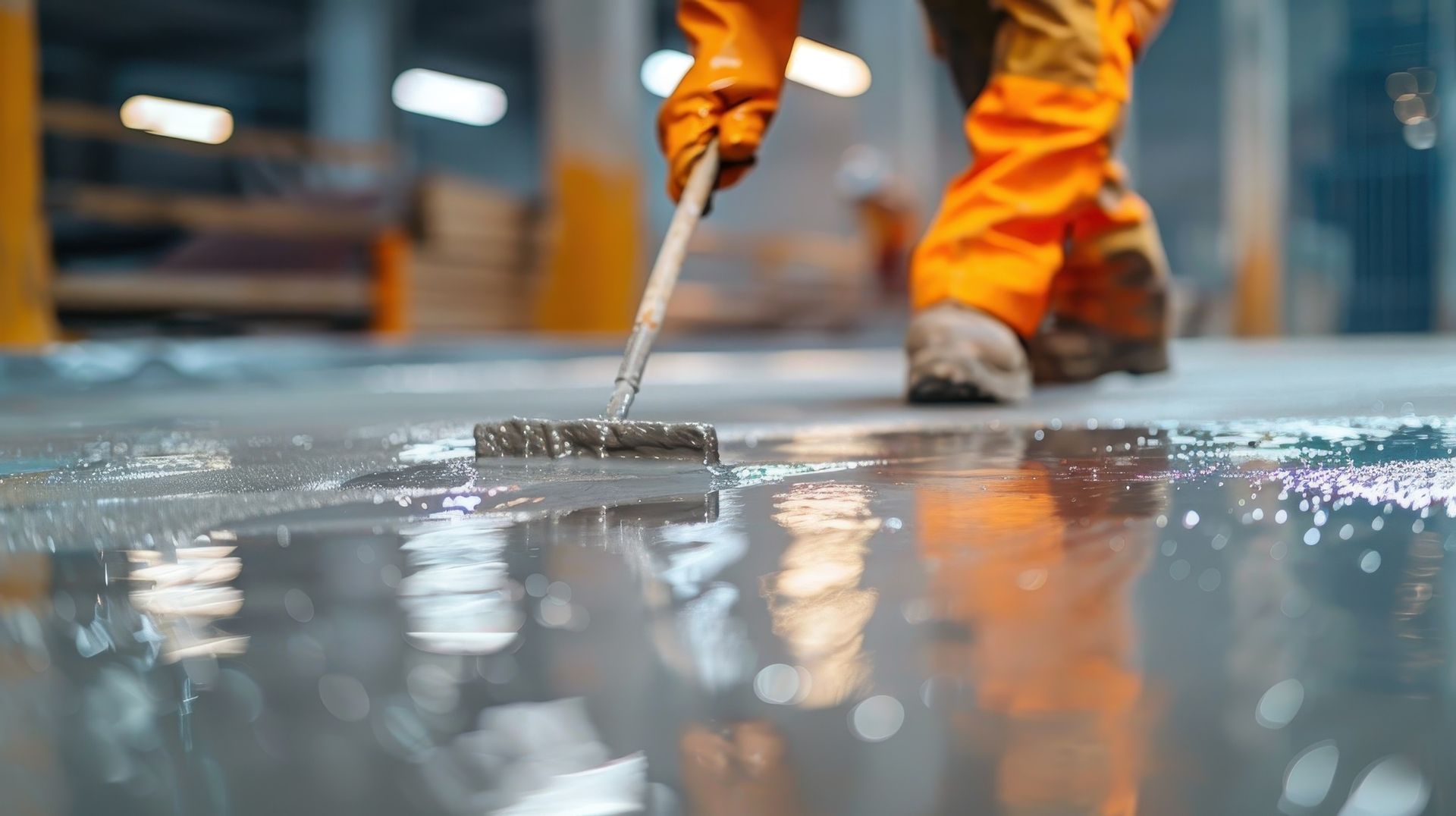
Concrete flooring is a cornerstone of modern construction, prized for its durability, versatility, and low maintenance. Yet, achieving a flawless concrete surface requires more than simply pouring and curing; preparation is key. Among the most effective methods for readying a floor for finishing is concrete grinding—a process that smooths, levels, and primes surfaces for coatings, stains, and polished finishes. For property owners, contractors, and designers, understanding concrete grinding is essential to achieving both aesthetic appeal and structural performance. The right approach ensures that a floor not only looks polished but also performs under heavy use, resists wear, and supports long-term durability.
At its core, concrete grinding involves mechanically removing the top layer of concrete using specialized grinders and abrasives. This process addresses imperfections, unevenness, and minor surface damage, creating an ideal canvas for further finishing. In industrial, commercial, and residential projects alike, properly ground concrete contributes to a seamless final product and enhances adhesion for subsequent coatings, sealers, or decorative elements. In this guide, we explore the techniques, benefits, and best practices of concrete grinding, offering actionable insights for anyone looking to prepare their floors for any type of finish. By understanding the process, you can maximize the longevity, safety, and visual impact of concrete surfaces.
Understanding Concrete Grinding
What Concrete Grinding Entails
Concrete grinding is the mechanical process of leveling and smoothing concrete surfaces using specialized equipment equipped with diamond abrasives. It removes imperfections such as minor cracks, ridges, and uneven spots, producing a uniform texture ready for finishing. The process can also eliminate surface contaminants like glue, paint, or old coatings that might prevent new finishes from adhering properly.
Grinding is not a one-size-fits-all process; it is typically performed in multiple passes with progressively finer abrasives. Coarse grinding tackles significant surface irregularities, while finer grinding prepares the concrete for polishing or applying sealers. This staged approach ensures the floor reaches the desired smoothness and texture, making it suitable for decorative finishes, epoxy coatings, or high-gloss polished concrete applications.
Equipment and Tools Used
Modern concrete grinding relies on machines ranging from handheld grinders for small areas to large walk-behind floor grinders for industrial-scale projects. Diamond-segmented tooling is the industry standard due to its durability and efficiency. The choice of grit and type of diamond segment depends on the floor’s condition and the finish desired. Proper equipment selection is critical for achieving a uniform surface and minimizing operational downtime.
When Grinding Is Necessary
Concrete grinding is often essential in both new and existing construction. New concrete slabs may require grinding to eliminate trowel marks or uneven patches that occurred during the finishing process. In renovation projects, grinding removes worn surfaces, adhesives, or coatings from previous floors. Ignoring surface preparation can compromise the adhesion and appearance of finishes, leading to premature wear or failure.
Benefits of Concrete Grinding
Enhanced Surface Smoothness
One of the most immediate benefits of concrete grinding is achieving a smooth, level surface. Uneven concrete can create trip hazards, make furniture placement challenging, and reduce the aesthetic appeal of a space. Grinding ensures the floor is flat and consistent, providing a clean slate for subsequent finishes. For polished concrete applications, smoothness is crucial, as it directly affects the final shine and reflectivity.
Improved Adhesion for Finishes
Coatings, sealers, and stains rely on strong adhesion to concrete for durability. Grinding removes contaminants and opens the surface pores, enhancing mechanical bonding. This ensures that epoxy coatings, paints, or decorative overlays adhere properly and last longer, reducing maintenance and repair costs over time.
Increased Safety and Longevity
A well-ground floor reduces tripping hazards caused by uneven patches or raised trowel marks. It also removes minor surface defects that could develop into cracks or spalling over time. By creating a uniform base, concrete grinding extends the lifespan of both the floor and its applied finishes, minimizing the need for costly repairs or replacement.
Cost-Effectiveness
While concrete grinding requires upfront investment in labor and equipment, it is often more cost-effective than alternatives like resurfacing or complete floor replacement. Properly prepared surfaces require fewer finishing materials and reduce the likelihood of premature failure, providing long-term savings for both commercial and residential projects.
Techniques and Methods
Fine Grinding and Polishing
After coarse grinding, fine grinding smooths the surface further, reducing scratches and creating a uniform texture. Fine grinding often uses progressively higher grit diamonds, gradually refining the floor in preparation for polishing or coating application. In polished concrete projects, this step is essential for achieving high-gloss finishes that are both aesthetically pleasing and durable.
Wet vs. Dry Grinding
Concrete grinding can be performed using wet or dry methods. Wet grinding uses water to suppress dust and cool the grinding segments, reducing wear on equipment and improving air quality on-site. Dry grinding produces more dust but allows for faster cleanup and is often used in areas where water may damage surrounding structures. The choice depends on the project environment, dust management requirements, and surface conditions.
Edge and Corner Detailing
Large grinders efficiently handle open areas, but edges, corners, and tight spaces require smaller, specialized grinders or hand-held tools. Proper attention to these areas ensures uniform surface preparation across the entire floor, preventing uneven finishes or adhesion issues in hard-to-reach zones.
Common Challenges and How to Overcome Them
Surface Imperfections
Concrete slabs may contain deep cracks, uneven patches, or embedded debris. Identifying and addressing these issues before grinding is critical. In some cases, crack filling or patching may be necessary before grinding begins to ensure a level surface and prevent further damage.
Dust Management
Dry grinding produces significant dust, which can affect air quality, visibility, and worker safety. Effective dust collection systems or wet grinding techniques help mitigate this issue. Proper ventilation and protective gear are essential in maintaining a safe work environment.
Equipment Wear and Maintenance
Grinding equipment and diamond abrasives wear over time, reducing efficiency and surface quality. Regular maintenance, proper handling, and timely replacement of consumables ensure consistent results and prevent unnecessary downtime.
Substrate Variability
Concrete slabs vary in composition, hardness, and age. Experienced operators must adjust grinding techniques accordingly. Softer concrete may require less aggressive grinding, while denser slabs may need additional passes or specialized tooling to achieve the desired finish. Knowledge of the substrate is crucial to avoid over-grinding, which can compromise structural integrity.
Best Practices for Effective Concrete Grinding
Assessing the Floor Before Starting
A thorough inspection of the concrete surface is essential. Identify high and low spots, cracks, stains, and prior coatings. This assessment guides equipment selection, grinding techniques, and the sequence of operations, ensuring an efficient and effective process.
Choosing the Right Equipment
Selecting grinders, diamond segments, and auxiliary tools suitable for the floor’s size, condition, and desired finish is critical. Walk-behind grinders provide speed and consistency for large areas, while hand-held machines tackle detail work. Using appropriate equipment reduces labor, improves finish quality, and enhances safety.
Gradual Progression of Grits
Start with coarse diamonds to address major surface issues, then progress through medium and fine grits to refine the texture. This gradual progression ensures the floor achieves the desired smoothness and avoids unnecessary surface damage or unevenness.
Maintaining Safety Standards
Concrete grinding involves heavy machinery, rotating abrasives, and dust. Personal protective equipment (PPE), proper ventilation, and adherence to safety protocols protect workers and maintain site compliance. Safety should always be prioritized to prevent accidents or long-term health issues.
Cleaning and Post-Grinding Preparation
After grinding, thorough cleaning removes dust, debris, and residues. A clean, prepared surface ensures that coatings, sealers, or decorative finishes adhere properly. Depending on the desired finish, additional steps like acid etching or priming may be applied to optimize adhesion and appearance.
Skilled Concrete Contractors Maximizing Floor Longevity and Quality
Concrete grinding is a foundational step in creating floors that are durable, safe, and visually appealing. By mechanically smoothing, leveling, and preparing concrete surfaces, this process ensures optimal adhesion for finishes, minimizes imperfections, and extends the lifespan of both the floor and its coatings. From industrial warehouses to residential basements, grinding provides a consistent base that supports decorative or functional finishes while improving safety and structural integrity.
For property owners and contractors, understanding concrete grinding is not optional—it is critical to achieving high-quality, long-lasting results. Skilled preparation through grinding reduces future maintenance costs, enhances aesthetics, and allows any finish, from epoxy coatings to polished concrete, to reach its full potential.
Elite Concrete Floors, a trusted concrete contractor based in Rochester, Pennsylvania, brings over 21
years of expertise to every project. Our team specializes in precise surface preparation, ensuring floors are perfectly primed for any finish. Whether for commercial, industrial, or residential applications, we deliver reliable, high-quality results with professional guidance from start to finish. With a commitment to excellence and proven experience, we transform concrete surfaces into durable, beautiful foundations that stand the test of time.

Share this article