
Concrete Coatings Explained: Types, Benefits, and Best Uses for Your Space
May 18, 2026
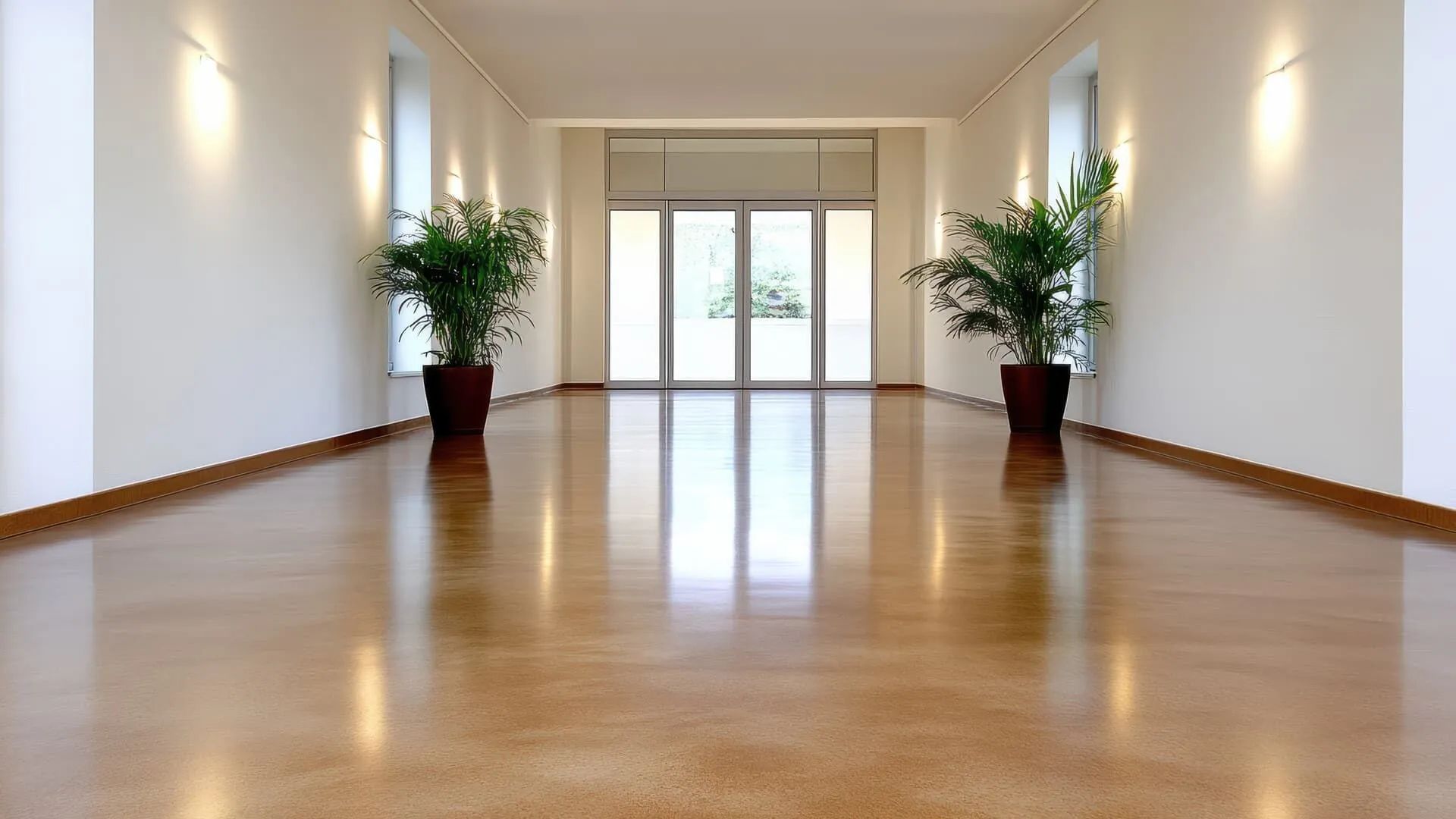
Concrete is one of the most versatile building materials, providing strength, durability, and a long-lasting foundation for a variety of spaces. From residential garages to commercial warehouses, concrete surfaces are often the backbone of modern construction. While raw concrete offers robustness, it can be porous, prone to staining, and aesthetically plain. Applying a concrete coating transforms these surfaces, adding protection, visual appeal, and functionality. Understanding the types of concrete coatings, their benefits, and the best applications ensures spaces remain safe, attractive, and easy to maintain over time.
Choosing the right concrete coating is more than a cosmetic decision; it is an investment in longevity, safety, and usability. Different coatings serve different purposes—some focus on durability, others on chemical resistance, and some enhance aesthetics. Knowing which coating aligns with the environment and intended use prevents premature wear and costly repairs. Professionals in the flooring industry rely on this knowledge to recommend solutions that optimize performance while reducing long-term maintenance. For property owners and facility managers, understanding concrete coatings empowers informed decisions that save time, money, and effort while improving the overall functionality and appearance of their spaces.
Understanding Concrete Coatings
What Are Concrete Coatings?
Concrete coatings are protective or decorative layers applied to concrete surfaces to enhance durability, appearance, and performance. Unlike sealers, which primarily protect against moisture and stains, coatings provide thicker coverage, often with chemical resistance, impact resistance, or aesthetic appeal. Coatings can be applied to new or existing concrete and often require surface preparation to ensure proper adhesion.
Key Functions of Concrete Coatings
- Protection: Coatings shield concrete from wear, abrasion, chemical spills, and UV exposure, extending its lifespan.
- Aesthetic Enhancement: Adding color, gloss, or texture improves visual appeal for residential, commercial, and industrial spaces.
- Safety Improvement: Anti-slip coatings reduce accidents in high-traffic areas such as warehouses or industrial floors.
- Ease of Maintenance: Smooth, coated surfaces resist staining and are easier to clean, reducing long-term maintenance costs.
How Coatings Differ from Sealers
While sealers penetrate the surface to prevent moisture absorption, coatings create a robust surface layer. Coatings can also withstand heavier traffic and chemical exposure, making them ideal for garages, industrial floors, or commercial facilities.
Types of Concrete Coatings
Epoxy Coatings
Overview: Epoxy coatings are one of the most widely used options due to their durability, chemical resistance, and ability to bond directly to concrete.
Benefits: Epoxy provides a glossy, hard finish that withstands heavy traffic, oil spills, and abrasion. It can be customized with decorative flakes or pigments.
Best Uses: Garages, industrial facilities, warehouses, and commercial kitchens.
Challenges: Requires careful surface preparation and curing; improper application can lead to bubbling or peeling.
Polyurethane Coatings
Overview: Polyurethane coatings are flexible, UV-resistant, and highly durable, often applied over epoxy coatings for added protection.
Benefits: Provides abrasion resistance, chemical protection, and a smoother, glossier finish. Its flexibility reduces the risk of cracking.
Best Uses: Outdoor concrete, walkways, balconies, and decorative flooring.
Challenges: Slightly higher cost than epoxy; sensitive to moisture during application.
Acrylic Coatings
Overview: Acrylic coatings are water-based or solvent-based finishes that provide color, sheen, and mild protection.
Benefits: Fast drying, easy application, and cost-effective. Suitable for aesthetic improvement and light protection.
Best Uses: Patios, driveways, and decorative residential flooring.
Challenges:
Lower durability under heavy traffic; may require frequent reapplication.
Polyaspartic Coatings
Overview: Polyaspartic coatings are fast-curing, highly durable, and UV-stable, often used in commercial and industrial applications.
Benefits: Can be applied in a single day, resistant to chemical spills, abrasion, and sunlight. Offers long-lasting protection with minimal downtime.
Best Uses: Retail spaces, high-traffic commercial floors, and outdoor surfaces.
Challenges:
Requires professional installation due to rapid curing time.
Metallic and Decorative Coatings
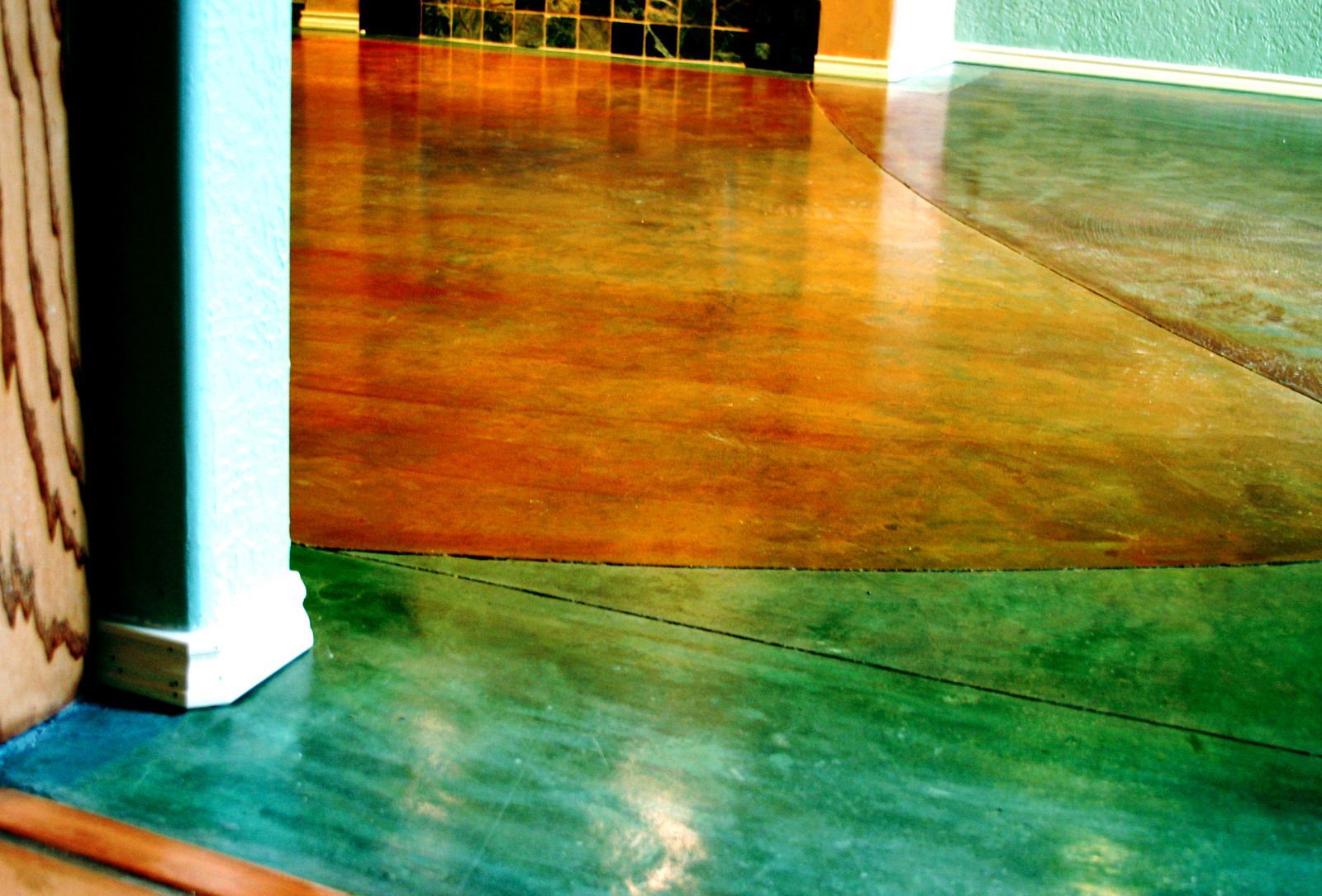
Overview: Metallic epoxy and decorative coatings combine aesthetics with functionality, offering marbleized or reflective finishes.
Benefits: Creates unique visual appeal, hides imperfections, and provides protective benefits.
Best Uses: Showrooms, lobbies, high-end residential garages.
Challenges: Costly and requires skilled application to achieve desired effects.
Benefits of Applying Concrete Coatings
Enhanced Aesthetics
Coatings allow concrete to become a design element rather than just a functional surface. Options such as colored epoxy, decorative flakes, and metallic finishes transform ordinary concrete into visually appealing floors suitable for showrooms, retail spaces, or upscale residential areas.
Improved Safety and Functionality
Anti-slip coatings are essential in wet or high-traffic areas, reducing accidents and liability concerns. Certain coatings also resist UV exposure, moisture, and temperature fluctuations, improving surface stability and safety over time.
Cost Savings
While initial investment in coatings may seem significant, long-term savings are substantial. Coated floors require less maintenance, are easier to clean, and reduce the frequency of costly repairs or replacements. Choosing a durable coating also prevents the damage caused by spills, moisture, and chemical exposure.
Environmental Resistance
Coatings provide a barrier against water penetration, chemical spills, and extreme temperatures. This protection is particularly critical in outdoor or industrial environments, where exposure to elements can degrade concrete faster than indoor spaces.
Best Practices for Concrete Coating Applications
Surface Preparation
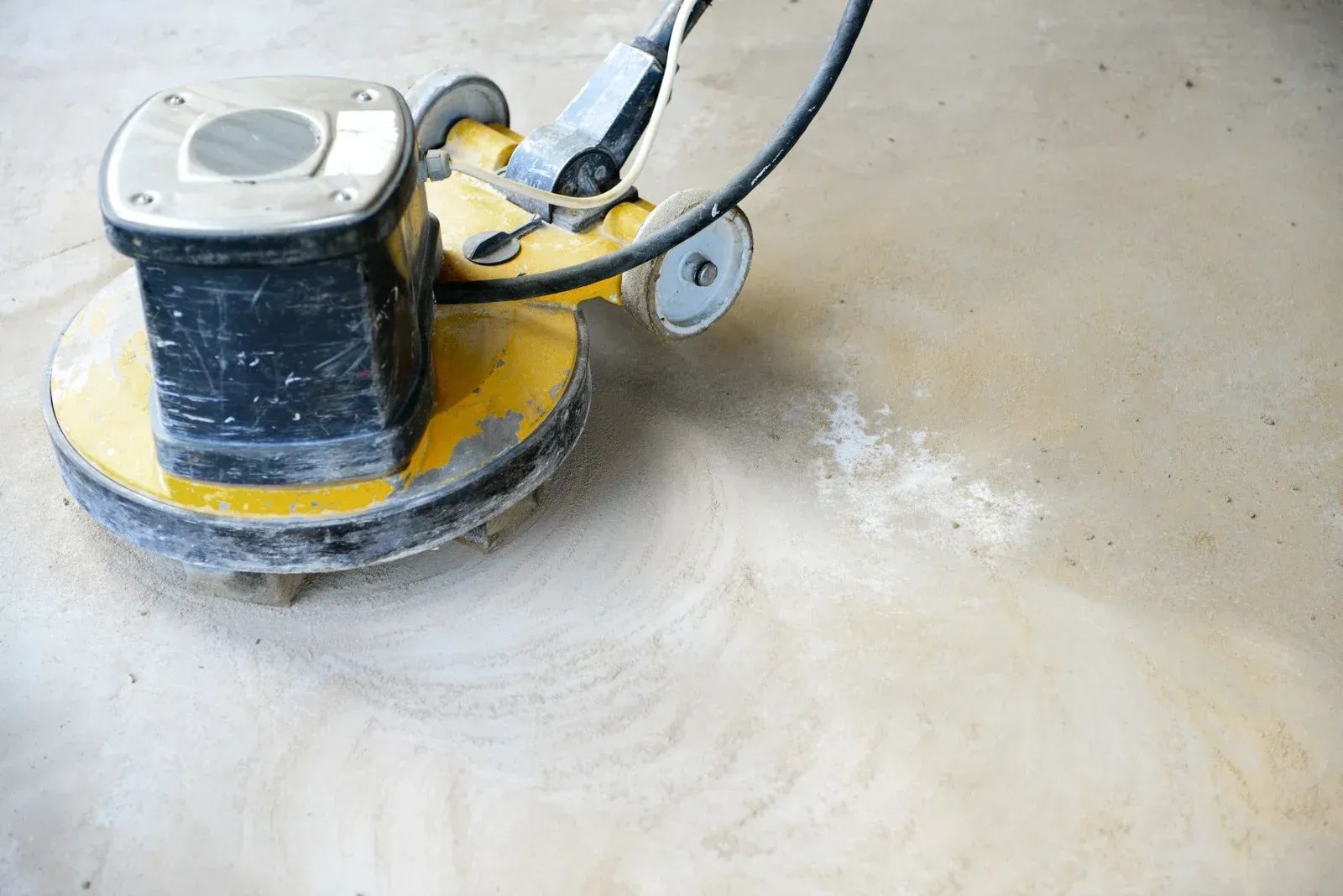
Proper surface preparation is critical for coating adhesion and longevity. Techniques such as grinding, shot blasting, or acid etching remove contaminants, smooth rough areas, and open pores for better bonding. Ignoring preparation can lead to peeling, bubbling, or uneven finishes.
Moisture and Temperature Control
Concrete must be adequately cured, and moisture levels measured before coating application. Excessive moisture can cause coating failure, while temperature extremes can impact curing. Controlled conditions ensure optimal adhesion and durability.
Application Techniques
Choosing the correct application method depends on the coating type. Epoxies and polyurethanes may require rollers or squeegees, while polyaspartic coatings may necessitate specialized spray equipment. Even application is essential to prevent streaks, bubbles, and thin spots.
Maintenance Considerations
Routine maintenance, such as cleaning with non-abrasive detergents and inspecting for damage, prolongs coating lifespan. Periodic reapplication of topcoats may be required for high-traffic or exposed surfaces, maintaining both appearance and protection.
Professional Consultation
Consulting a flooring professional ensures the appropriate coating type is selected for specific environmental conditions and use cases. Expert guidance avoids costly mistakes, optimizes performance, and maximizes aesthetic appeal.
Real-World Applications and Scenarios
Residential Spaces
In homes, coatings transform functional areas like garages, basements, and patios into durable, low-maintenance, and visually appealing spaces. Epoxy and polyurethanes are commonly used for garage floors to withstand vehicle traffic, oil spills, and cleaning chemicals.
Commercial and Retail Spaces
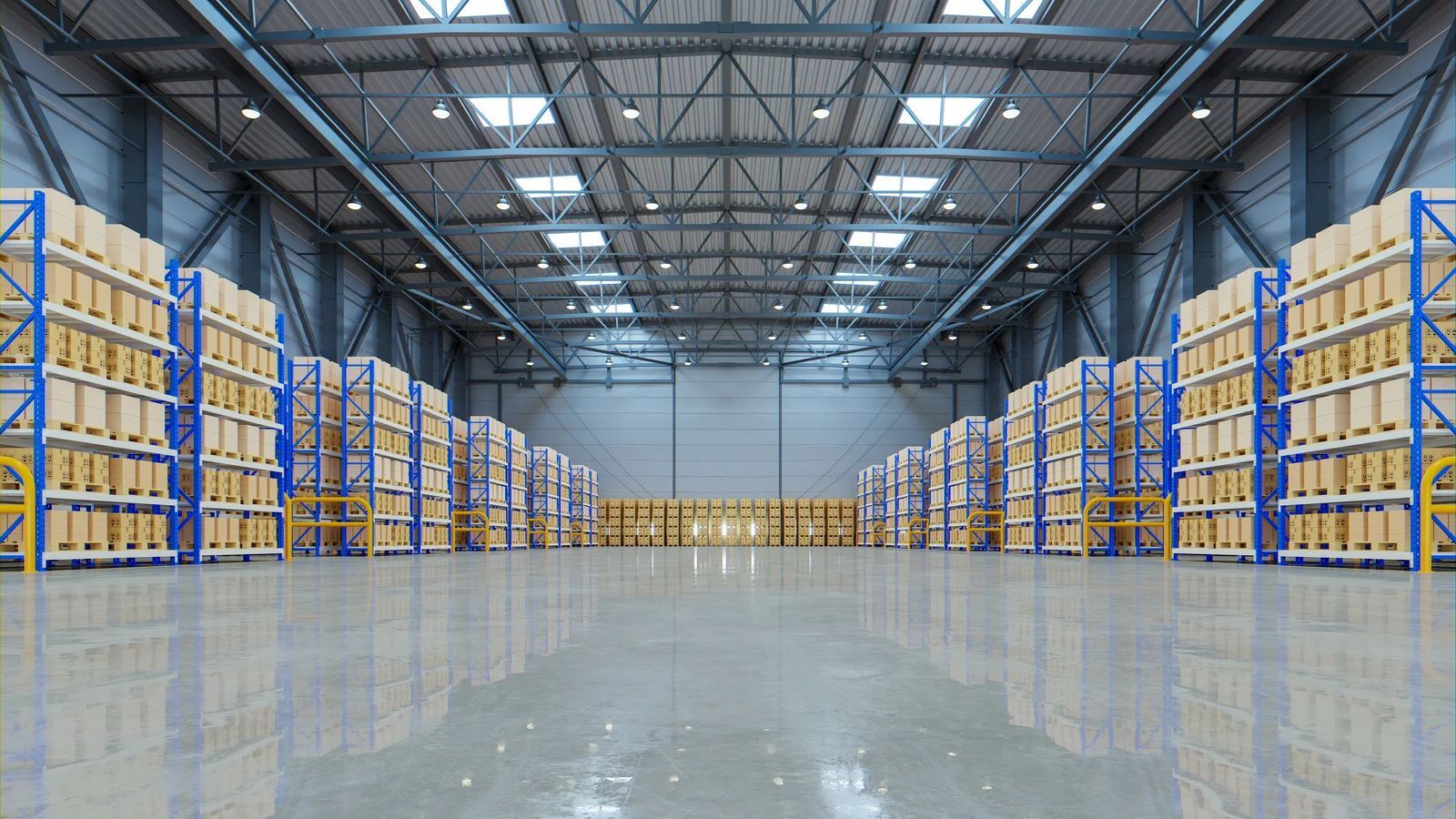
Coatings in commercial settings enhance both appearance and functionality. High-traffic areas, including showrooms, lobbies, and warehouses, benefit from polyaspartic or epoxy coatings, which offer abrasion resistance and chemical protection while maintaining a professional aesthetic.
Industrial and Manufacturing Facilities
Industrial floors experience heavy loads, constant foot traffic, and exposure to oils, acids, and other chemicals. Polyaspartic and epoxy coatings provide the durability, chemical resistance, and anti-slip properties required for safe and efficient operations. Properly coated floors reduce downtime and maintenance costs.
Outdoor Areas and Recreational Spaces
Patios, walkways, driveways, and pool decks require coatings that resist UV exposure, temperature changes, and moisture. Acrylic or polyaspartic coatings are ideal for these environments, providing both protection and decorative appeal. Coatings prevent surface degradation and improve longevity in outdoor conditions.
Healthcare and Food Processing Facilities
Coated concrete in hospitals, laboratories, and commercial kitchens prevents bacterial growth, resists chemical cleaning agents, and maintains hygiene standards. Smooth, sealed surfaces reduce contamination risk and simplify cleaning protocols, meeting industry regulations and safety requirements.
Challenges and Considerations in Choosing Concrete Coatings
Surface Condition and Preparation
Old, damaged, or poorly cured concrete may require extensive preparation before coating. Cracks, spalling, or uneven surfaces must be repaired to ensure long-term performance. Skipping this step can lead to costly failures.
Environmental Factors
Indoor versus outdoor application, UV exposure, temperature variations, and moisture levels all influence coating choice. Certain coatings may yellow, crack, or peel under adverse conditions, making material selection critical.
Cost vs. Performance
While some coatings have higher upfront costs, their durability and low maintenance provide long-term savings. Balancing initial investment with expected performance ensures value without compromising quality.
Installation Expertise
Professional application often determines the success or failure of a coating. Rapid-curing coatings like polyaspartics or decorative metallic finishes require skill and experience to achieve flawless results.
Maintenance Requirements
Understanding the maintenance needs of each coating type ensures longevity. High-traffic or exposed areas may need more frequent topcoats, while residential applications may be lower maintenance but still require cleaning to maintain appearance.
Trusted Professionals Transforming Concrete Floors Effectively
Concrete coatings are a strategic solution for enhancing the durability, aesthetics, and functionality of concrete surfaces across residential, commercial, and industrial spaces. From epoxy’s high-impact resistance to polyaspartic’s rapid curing and decorative metallic finishes, each type serves a distinct purpose, offering protection against wear, chemicals, and environmental factors. Proper surface preparation, professional installation, and ongoing maintenance are key to maximizing the benefits of concrete coatings. Understanding the best applications and challenges ensures that every investment in flooring results in a long-lasting, safe, and visually appealing surface.
At Elite Concrete Floors, Rochester, Pennsylvania, with over 21
years of experience, we specialize in delivering
high-quality concrete coating solutions tailored to each space. Expertise in epoxy, polyurethane, polyaspartic, and decorative coatings allows us to provide durable, visually striking floors designed for longevity and ease of maintenance. Our commitment to professional service ensures surfaces not only meet but exceed expectations, combining functionality, safety, and aesthetic appeal. Choosing us guarantees a trusted, experienced partner capable of transforming any concrete surface into a lasting asset.
Share this article