
How Professional Concrete Grinding Saves You Time and Money on Your Next Flooring Project
April 25, 2026
Concrete flooring projects are a critical component of residential, commercial, and industrial construction. The durability, strength, and longevity of concrete make it a preferred choice for many flooring applications. However, achieving a smooth, level, and aesthetically appealing surface requires more than basic pouring and finishing. Uneven surfaces, imperfections, and residual coatings can hinder the final appearance and usability of a floor. This is where professional concrete grinding becomes an invaluable solution, offering efficiency and precision that traditional methods cannot match.
Concrete grinding not only improves the surface quality but also enhances the structural integrity and preparation of the floor for additional treatments such as epoxy coatings, sealants, or polished finishes. It eliminates surface defects, provides consistent texture, and ensures the floor meets safety and design standards. For contractors, property owners, and facility managers, understanding the practical advantages of professional grinding is essential. From reducing labor costs to preventing future maintenance issues, the process can deliver measurable time and cost savings. As construction schedules tighten and budgets are scrutinized, professional concrete grinding emerges as a strategic approach to maximize investment while ensuring superior results.
1. Understanding Concrete Grinding
What Concrete Grinding Entails
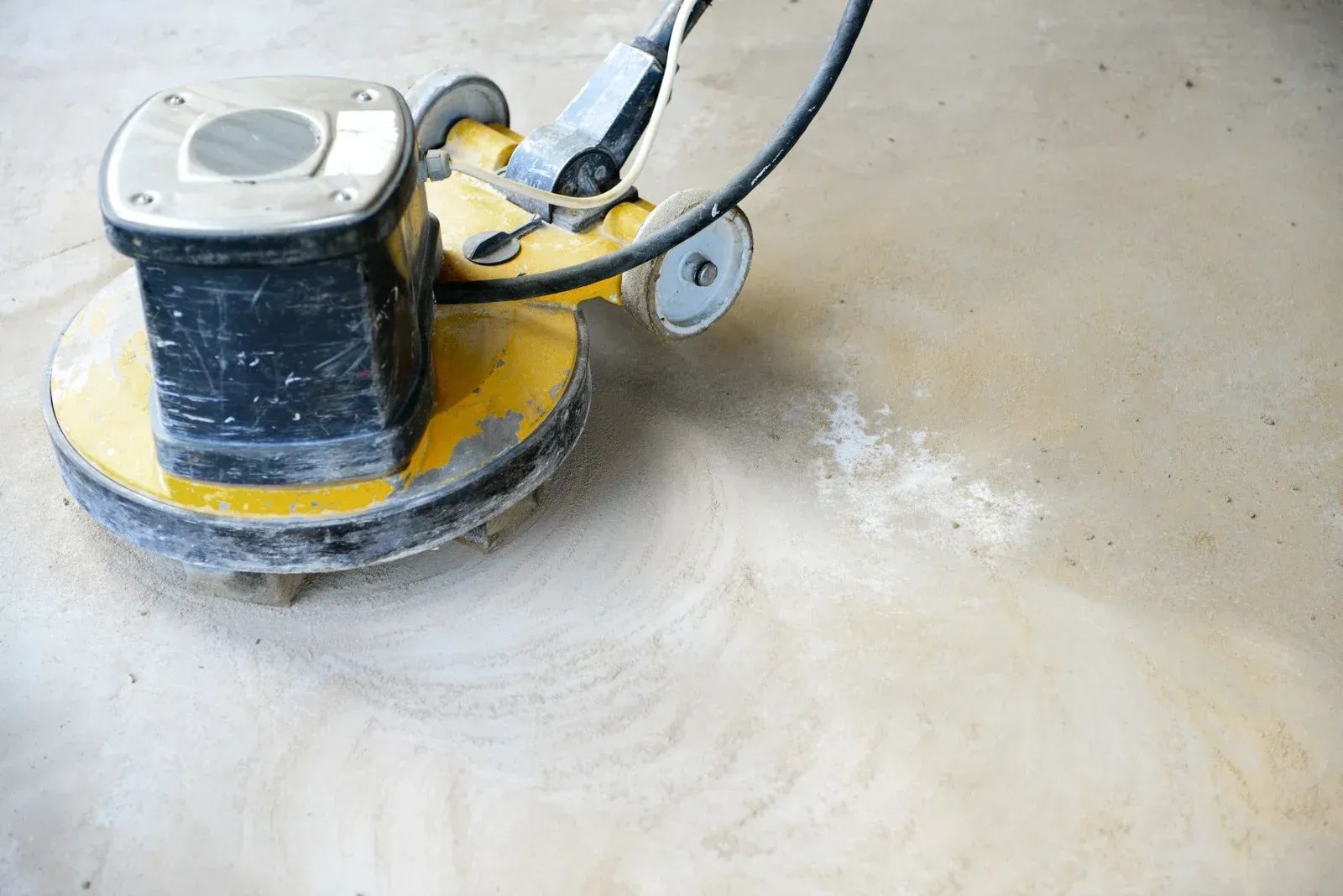
Concrete grinding is the process of mechanically smoothing and leveling concrete surfaces using specialized equipment. The process typically involves diamond grinding tools that remove surface imperfections, coatings, adhesives, and rough patches. Unlike manual methods, professional grinding ensures uniformity across the entire floor, which is essential for both functional and aesthetic purposes.
Tools and Techniques
Modern concrete grinders use diamond segments of varying grit levels to achieve different levels of smoothness. Starting with coarse-grit diamonds removes major imperfections, while progressively finer grits produce polished finishes suitable for high-traffic areas or decorative floors. Techniques such as wet grinding minimize dust and debris, making the work environment safer and cleaner.
Common Applications
Concrete grinding is used across multiple scenarios, including:
- Leveling uneven garage or warehouse floors.
- Removing old coatings like paint, epoxy, or adhesives.
- Preparing surfaces for polished concrete finishes.
- Smoothing rough spots in commercial and industrial settings.
The versatility of professional grinding makes it a cost-effective and time-saving solution for a wide range of flooring projects.
2. Time-Saving Benefits of Professional Concrete Grinding
Accelerated Surface Preparation
Traditional concrete preparation methods, such as manual sanding or chipping, are labor-intensive and time-consuming. Professional grinding uses high-powered equipment capable of covering large areas quickly. This significantly reduces project timelines, especially in commercial or industrial spaces where downtime directly impacts productivity.
Fewer Rework Requirements
Uneven or improperly prepared surfaces often lead to project delays due to rework. Professional grinding ensures the surface is level, smooth, and ready for subsequent flooring installations, reducing the likelihood of costly corrections.
Efficient Material Removal
Grinding removes imperfections efficiently, including old coatings, adhesives, or concrete ridges. Faster material removal means subsequent steps, such as polishing or coating application, can begin sooner. This sequential efficiency translates directly to shorter project durations.
Real-World Example
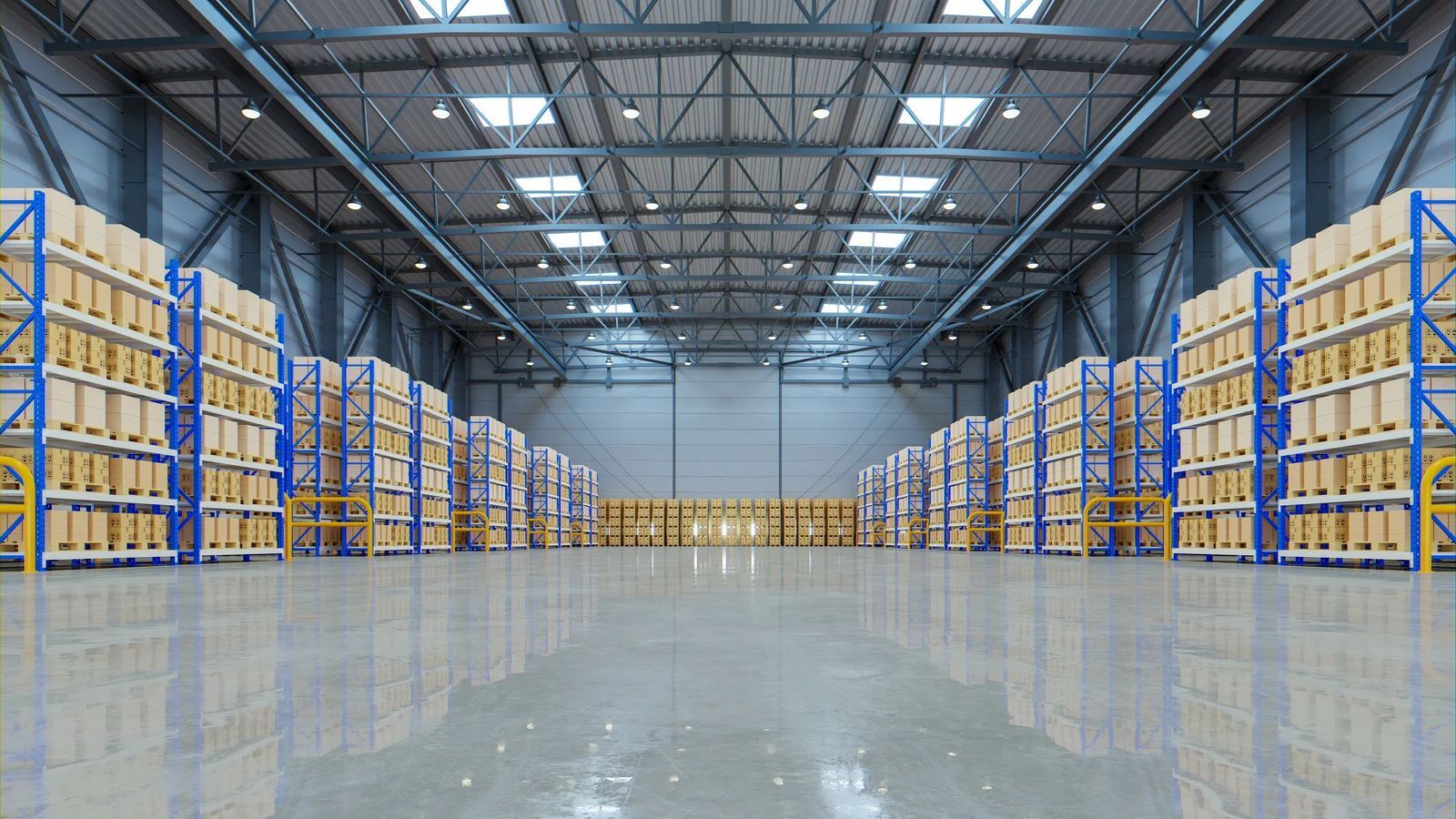
In a warehouse renovation scenario, professional grinding can prepare thousands of square feet of concrete in a single day. Manual methods may take several days for the same area, delaying operations and increasing labor costs.
3. Cost-Saving Advantages
Minimizing Material Waste
Uneven floors often require additional leveling compounds or extra coating materials, which can increase project expenses. Professional grinding creates a perfectly uniform base, reducing the need for excess materials and ensuring coatings, epoxy, or sealants are applied efficiently and consistently across the entire surface.
Preventing Future Repairs
Properly ground surfaces are more durable and less prone to cracking, peeling, or coating failure over time. This long-term stability reduces ongoing maintenance costs and prevents expensive repair cycles that could disrupt normal operations or delay project timelines.
Example: Commercial Facility
A commercial facility applying an epoxy floor can save thousands of dollars by grinding the concrete properly beforehand. Skipping grinding may result in uneven adhesion, requiring partial floor removal and reapplication, which multiplies costs in both labor and materials significantly.
4. Enhancing Floor Quality and Aesthetics
Smooth and Level Surfaces
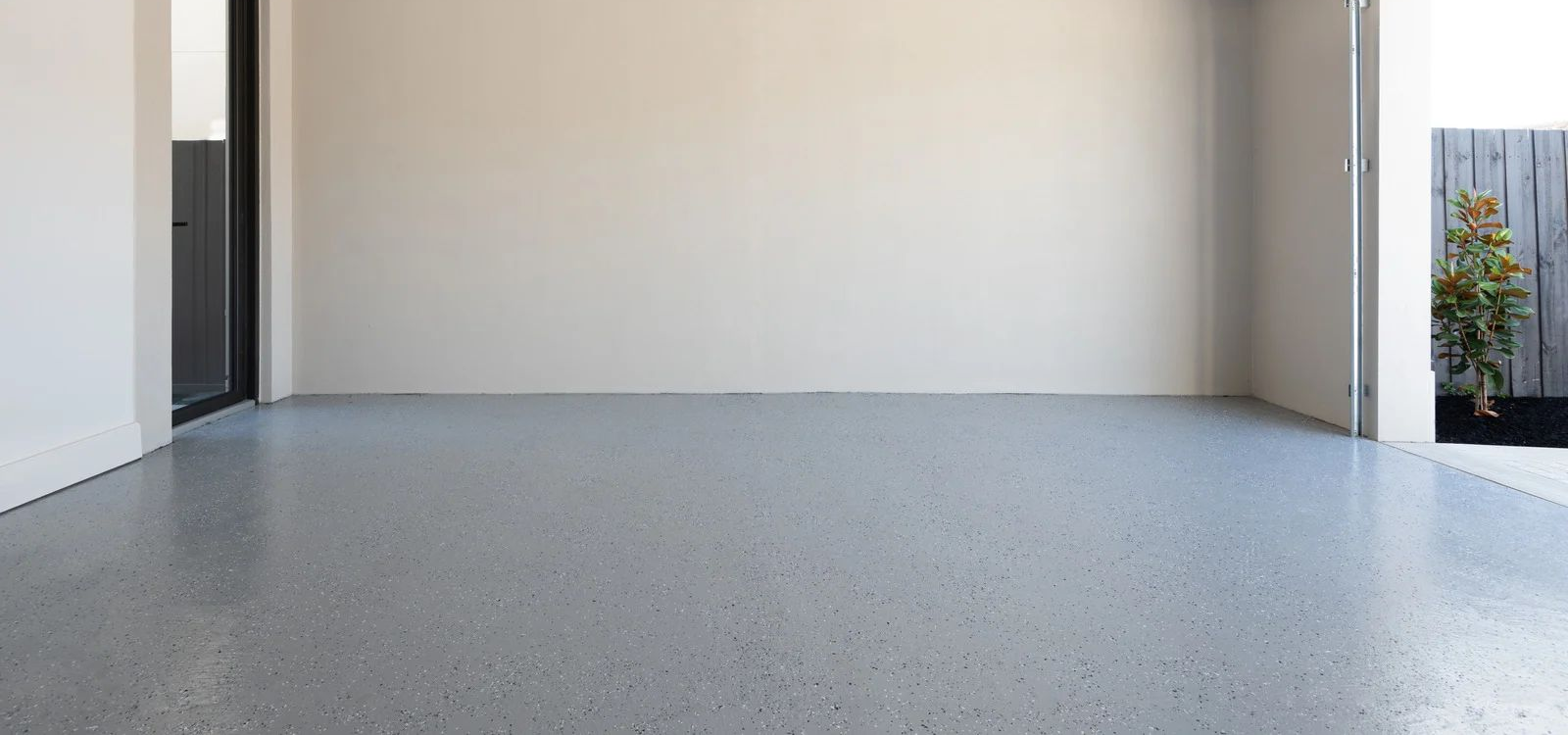
Professional grinding removes imperfections such as ridges, bumps, and divots, creating a perfectly smooth and level surface. This not only improves overall aesthetics but also reduces tripping hazards, enhances safety, and creates a visually appealing environment for employees or residents.
Preparing for Decorative Finishes
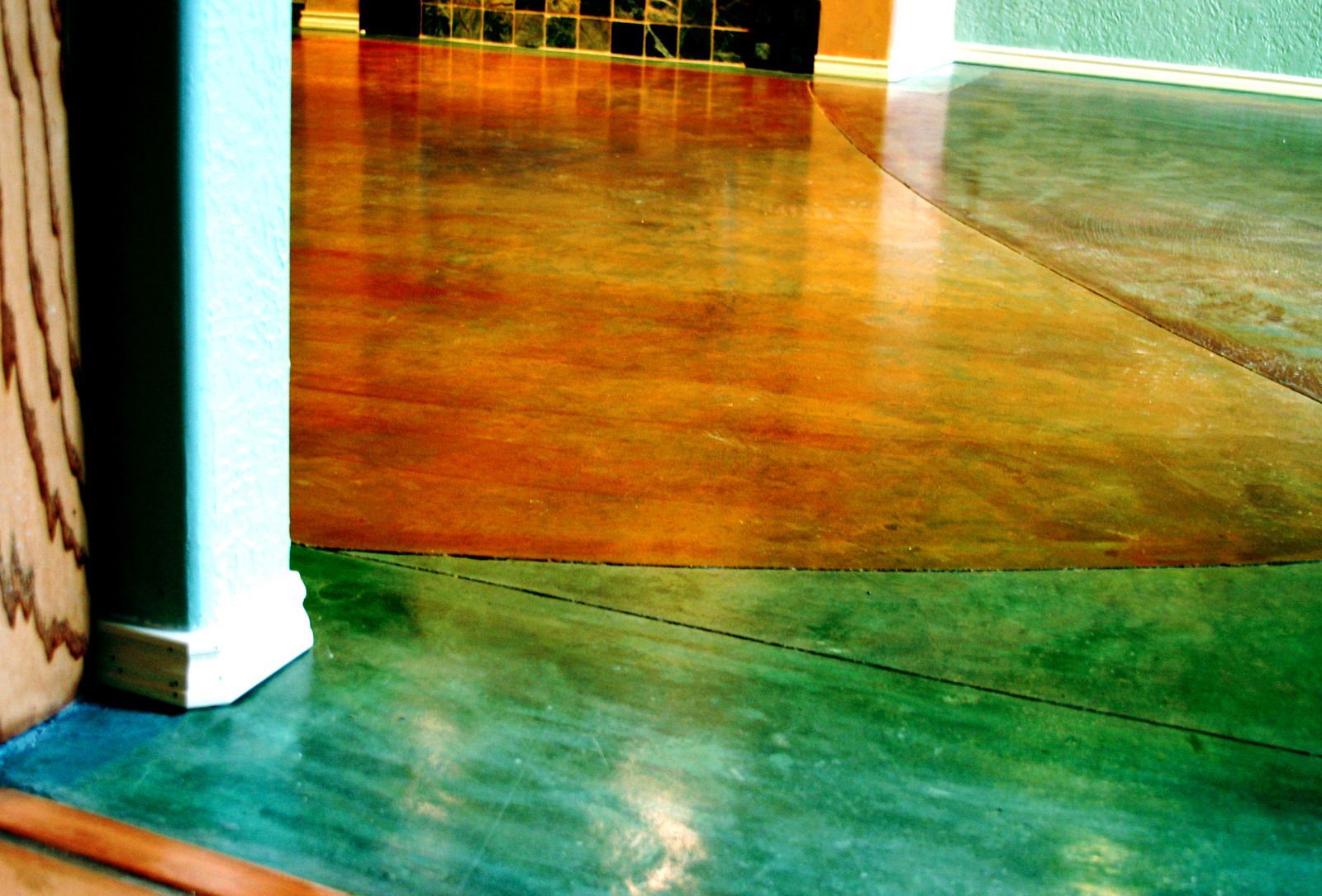
Many flooring projects involve additional decorative layers, such as polished concrete, epoxy coatings, or stained applications. A properly ground surface ensures these finishes adhere correctly, look uniform, and last much longer without peeling or inconsistencies.
Increasing Light Reflection
In commercial or retail settings, polished concrete enhances light reflection, reducing lighting costs and improving visibility throughout the space. Professional grinding ensures a uniform surface that maximizes these benefits, making interiors brighter and more inviting.
Example: Retail Environment
In a retail store, a polished concrete floor attracts customers and reduces ongoing maintenance requirements. Grinding ensures the polish is consistent across the entire surface, maintaining a professional, clean, and visually inviting appearance.
5. Reducing Health and Safety Risks
Dust and Debris Control
Concrete grinding generates dust, which can pose serious respiratory hazards if not properly managed. Professional grinding often incorporates advanced dust extraction systems, wet grinding methods, and proper ventilation strategies to effectively mitigate health risks and maintain a safe working environment.
Reducing Trip and Fall Hazards
Uneven floors can create dangerous conditions and accidents in commercial, industrial, or residential settings. Grinding eliminates irregularities, low spots, and rough areas, creating safer walkways, work areas, and more accessible spaces for all occupants.
Compliance with Standards
Certain commercial and industrial projects must meet specific flooring safety and regulatory standards. Professional grinding ensures surfaces comply with ADA, OSHA, and other relevant regulations, avoiding potential fines, liabilities, and costly compliance issues.
Example: Manufacturing Plant
In a manufacturing plant, an uneven floor can disrupt machinery alignment, slow operations, and create safety hazards. Grinding the concrete ensures precise leveling, protects employees and equipment, and maintains full compliance with all safety standards effectively.
6. Best Practices for Professional Concrete Grinding
Assessing the Floor
Begin by carefully evaluating the concrete surface for imperfections, existing coatings, and any structural concerns. Identifying problem areas upfront ensures the proper grinding techniques, equipment, and approaches are selected for optimal results.
Choosing the Right Equipment
Use grinders specifically suited for the project size, surface condition, and area complexity. Walk-behind grinders are ideal for smaller residential or commercial areas, while heavy-duty planetary grinders efficiently handle large industrial or commercial spaces without compromising quality.
Progressive Grinding Technique
Start with coarse-grit diamonds to remove major imperfections, then gradually move to finer grits for polishing and smoothing. This staged, systematic approach ensures consistent results while avoiding unnecessary surface damage and maintaining structural integrity.
Safety Measures
Always wear appropriate personal protective equipment, including respirators, gloves, eye protection, and hearing safeguards. Utilize dust collection systems, ensure proper ventilation, and follow all industry safety protocols for maximum protection.
Maintenance After Grinding
After grinding, thoroughly clean the surface to remove residual dust, debris, or fine particles. Seal, polish, or treat the floor as required to extend its lifespan, maintain aesthetic appeal, and protect against wear or environmental damage.
Real-World Tip
In renovation projects, always consult flooring manufacturers or material suppliers for specific grinding requirements before applying coatings, adhesives, or finishes. Proper surface preparation directly influences both the performance and long-term durability of the finished floor.
7. Expert Insights and Common Challenges
Skilled Operators Make a Difference
Professional grinding requires expertise in equipment handling, concrete material knowledge, and precise surface assessment. Experienced operators consistently achieve uniform results while avoiding over-grinding, which can compromise the concrete’s structural integrity or finish quality.
Overcoming Difficult Surfaces
Old, heavily coated, or uneven concrete may present unique challenges. Multi-step grinding processes and specialized diamond segments are used to efficiently remove coatings without damaging the substrate, achieving smooth results even on difficult floors.
Cost vs. Quality Considerations
While DIY approaches may appear cheaper initially, improper grinding can result in uneven floors, coating failures, or premature surface wear. Professional grinding balances upfront investment with long-term cost savings and superior performance.
Case Study: Industrial Flooring
An industrial plant faced uneven concrete that disrupted machinery alignment and slowed production. Professional grinding corrected the surface in just a few days, avoided operational delays, and extended the lifespan of protective coatings, demonstrating a significant return on investment.
Concrete Grinding Solutions from Trusted Local Specialists
Professional concrete grinding delivers measurable benefits in efficiency, cost savings, surface quality, and safety. By preparing floors properly, it reduces labor requirements, accelerates project timelines, prevents costly rework, and ensures optimal adhesion for coatings or finishes. The process also improves aesthetics, enhances durability, and contributes to safer environments for residential, commercial, and industrial applications. For property owners and facility managers, investing in professional grinding is a strategic decision that maximizes both immediate and long-term value.
At Elite Concrete Floors, a trusted concrete contractor in Rochester, Pennsylvania, with 21+ years of experience, we specialize in delivering expert concrete grinding services tailored to your project needs. Our approach combines advanced equipment, precise techniques, and years of hands-on expertise to ensure surfaces are perfectly prepared for coatings, polishing, or structural enhancement. Partnering with us guarantees smoother floors, reduced project costs, and exceptional results, whether for commercial facilities, industrial sites, or residential projects. Rely on Elite Concrete Floors
to transform your concrete surfaces efficiently, effectively, and professionally.
Share this article